
The Most Effective Ways to Handle Air Compressor Dryer Repairs
Handling air compressor dryer repairs efficiently is essential for maintaining optimal performance and prolonging the lifespan of your equipment. Air compressor dryers play a crucial role in removing moisture from compressed air, preventing damage to tools and machinery. When problems arise, timely and effective repair strategies ensure minimal downtime and cost savings. The first step in addressing any issue is to conduct a thorough inspection. Carefully examine the dryer for visible signs of wear, leaks, or damage to components such as filters, valves, and condensate drains. Identifying the root cause early can prevent more extensive damage and help in planning appropriate repairs. Common issues in air compressor dryers include excessive moisture in the output air, unusual noises, pressure drops, and overheating. Each symptom points to different potential faults such as clogged filters, faulty sensors, or failing refrigerant systems in refrigerated dryers. By correlating the symptoms with possible causes, you can narrow down the repair approach, avoiding unnecessary part replacements and ensuring more accurate troubleshooting.
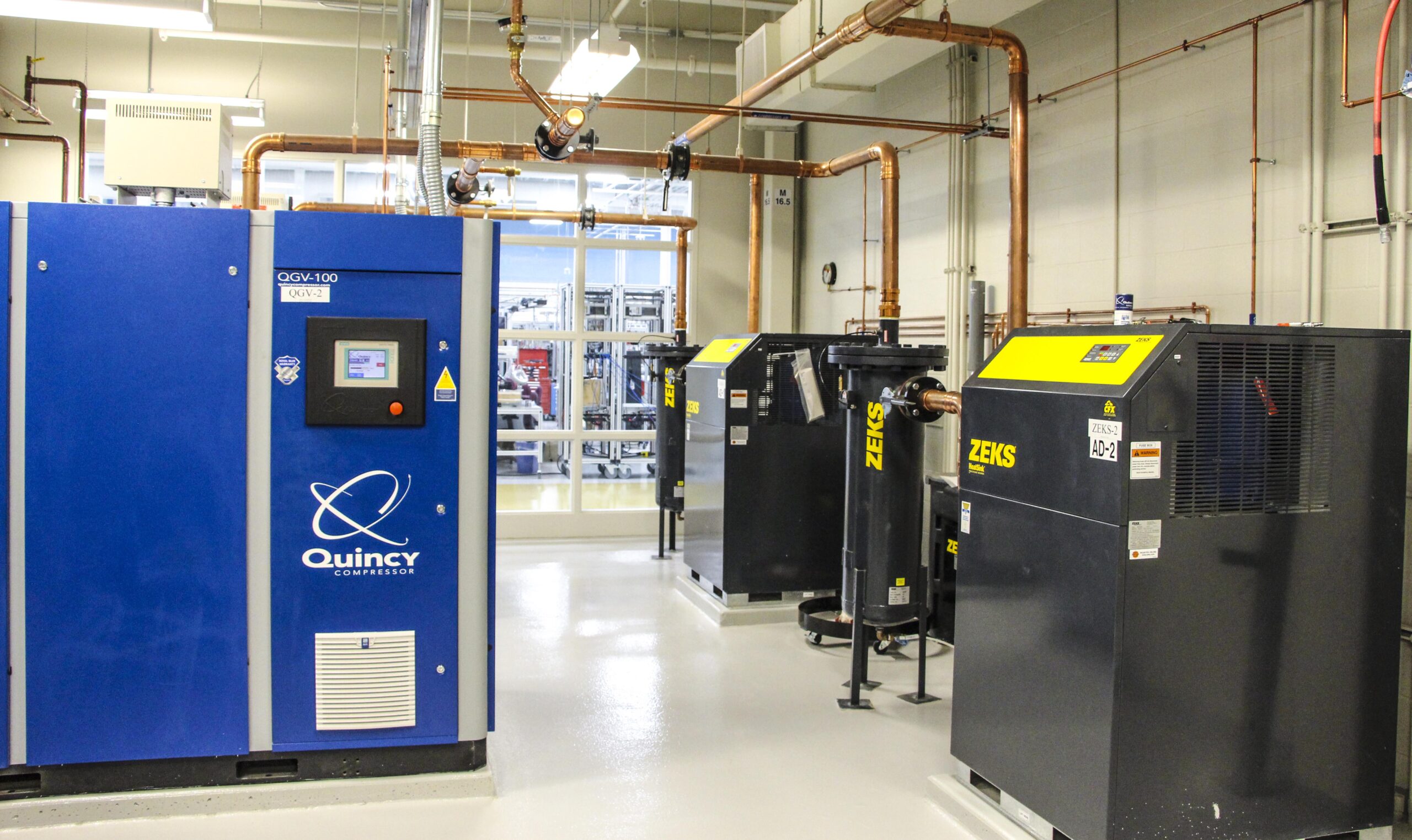
The next important step is to follow safety procedures rigorously. Air compressor dryers operate under high pressure and often involve electrical components, which pose risks during repair work. Always disconnect power and release any stored pressure before starting any maintenance or repair. Wearing appropriate protective gear, such as gloves and eye protection, also reduces the risk of injury. Safety should be a priority to protect both personnel and equipment during repair processes. After safety measures are in place, begin the actual repair by cleaning or replacing components as needed. Filters and desiccant materials, for example, often require replacement after extensive use to maintain drying efficiency. Checking and servicing valves and condensate drains helps prevent moisture buildup and system blockages. If the dryer uses a refrigerant system, inspecting refrigerant levels and fixing leaks or compressor issues can restore proper function. Meticulous attention to component condition and system integrity is key to successful repairs.
Testing the system after repairs is equally vital. Once repairs are completed, run the air compressor dryer under normal operating conditions and monitor for any irregularities. Check pressure levels, temperature, and moisture content in the compressed air output. Continuous observation during the testing phase ensures that the repair has resolved the issue and that no new problems have arisen. This step confirms reliability before returning the equipment to regular service. Regular maintenance is the best way to reduce the frequency and severity of air compressor dryer repairs and best site https://smilyhomes.com/breathing-life-into-industries-compressed-air-systems-unveiled/. Implementing a routine schedule for inspection, cleaning, and parts replacement helps detect early signs of wear and prevents breakdowns. Proper maintenance not only extends the equipment’s operational life but also maintains efficiency and safety. A combination of careful diagnosis, safety adherence, precise repairs, thorough testing, and preventive maintenance forms the most effective approach to managing air compressor dryer repairs.
